
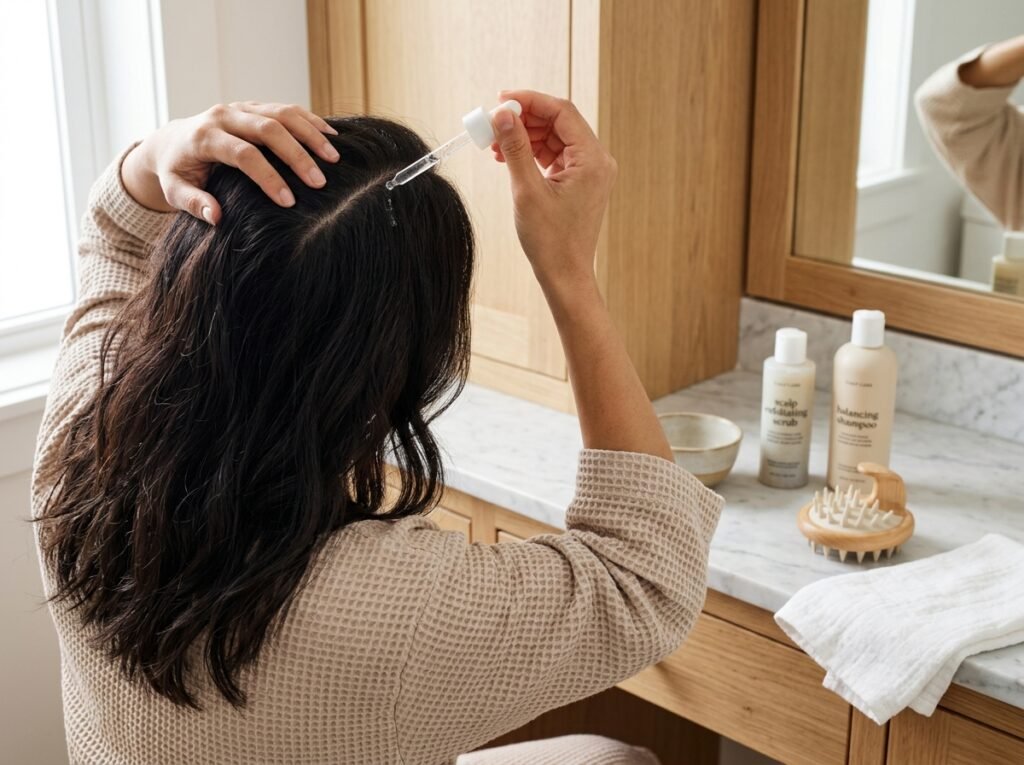
Healthy-looking hair starts with a clean, comfortable scalp.
Yet scalp care often gets overlooked in daily routines. Your scalp collects oil, sweat, product residue, and dead skin. Regular care can help keep these concerns under control. A simple scalp care routine does not need many products. It starts with consistent cleansing and gentle habits. You also need to understand your scalp type. Some scalps become oily quickly. Others feel dry or sensitive. These 10 scalp care routine tips can simplify your routine. They also help you build better everyday hair care habits.
1. Cleanse Your Scalp Regularly
Cleansing is one of the most important scalp care steps. Shampoo helps remove oil, sweat, dirt, and styling residue. However, washing frequency depends on your scalp and lifestyle. Oily scalps may need more frequent cleansing.

Dry or curly hair may need less frequent washing.
Focus shampoo mainly on your scalp instead of your ends. Use your fingertips to gently massage the shampoo in. Avoid scratching your scalp with your nails. Rinse thoroughly to remove leftover shampoo and buildup.
2. Choose Shampoo for Your Scalp Type
Your shampoo should match your scalp’s needs. Your hair length and texture also matter. An oily scalp may benefit from a lightweight cleanser.
A dry scalp may prefer a gentler formula.
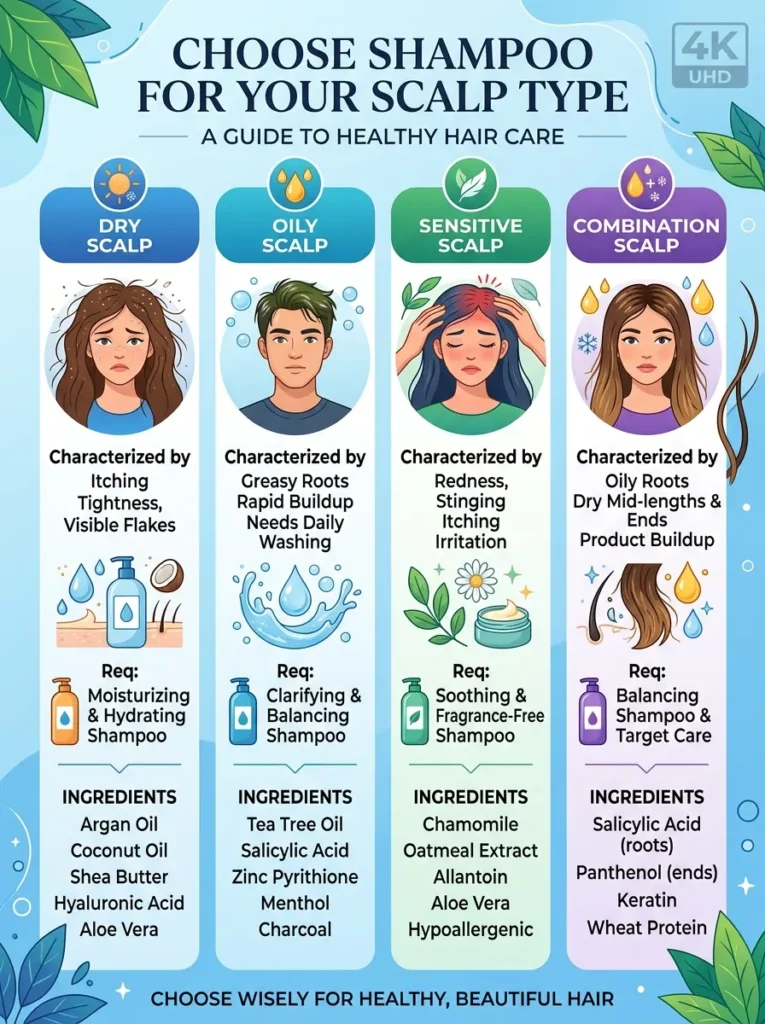
Curly and coily hair can need extra moisture. Fine hair may become weighed down by rich products. Pay attention to how your scalp feels after washing. Tightness, excess oil, or irritation can signal a mismatch. You may need to adjust your products over time.
3. Avoid Scrubbing Your Scalp Too Hard
A clean scalp does not require aggressive scrubbing. Rough rubbing can cause unnecessary irritation. Use the pads of your fingertips instead.
Move them gently across your scalp.
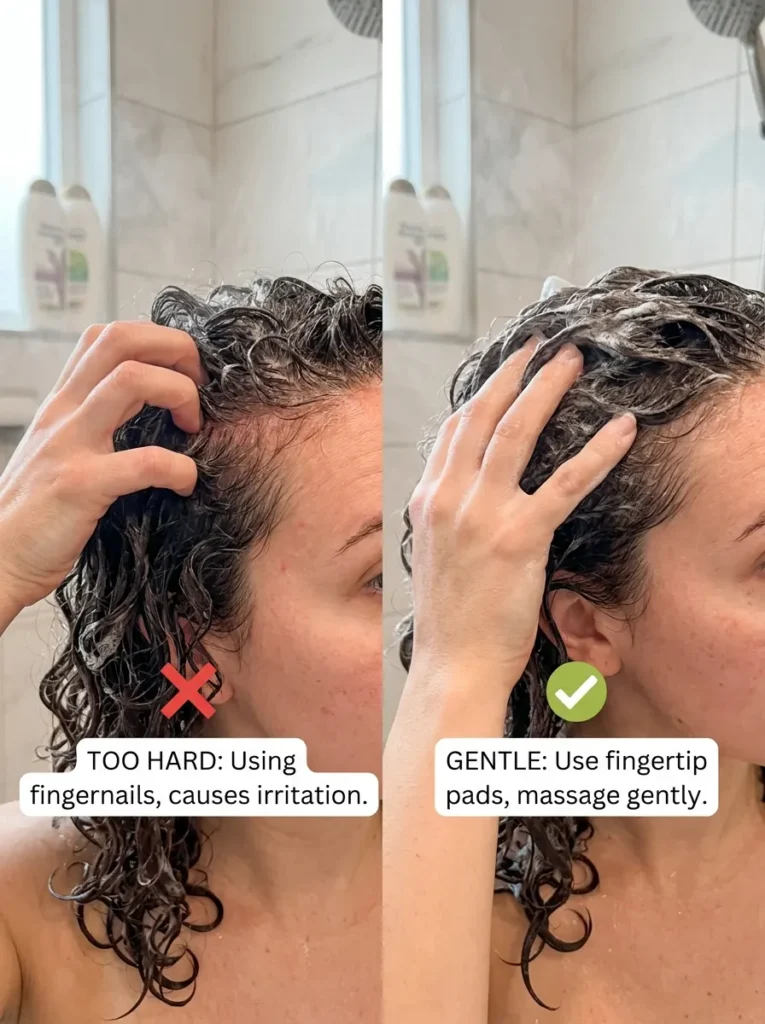
Do not use your fingernails during shampooing. They can scratch the skin and make your scalp uncomfortable Gentle cleansing can still remove everyday oil and buildup. Think massage rather than vigorous scrubbing.
4. Try a Gentle Scalp Massage
A scalp massage can make your routine feel relaxing.
It also helps you distribute shampoo evenly. Use your fingertips and make small circular movements. Work across the front, sides, and back of your scalp.

Keep the pressure light and comfortable. There is no need to press hard. You can massage your scalp while shampooing. This makes the step easy to add. If your scalp feels sore or irritated, stop the massage.
5. Remove Product Buildup
Styling products can leave residue on your scalp. Dry shampoo, gels, sprays, and creams may contribute to buildup. Buildup can make your roots feel heavy or greasy. It can also make hair look less fresh.
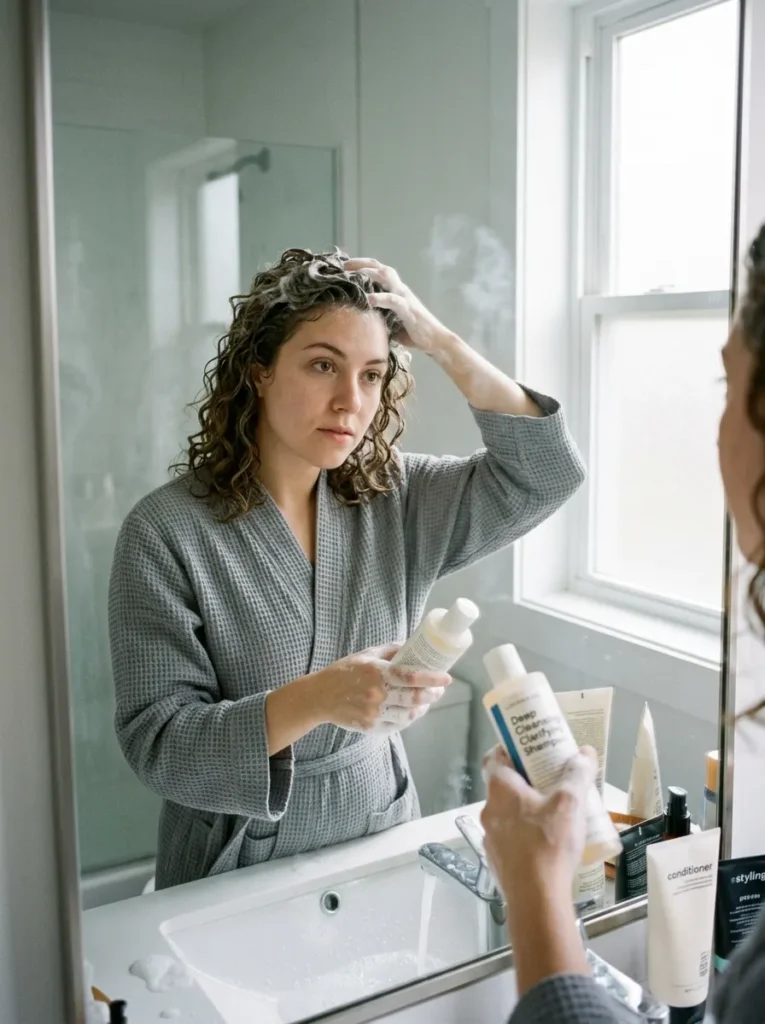
Use a suitable cleansing shampoo when buildup becomes noticeable.
Follow the product directions carefully. Do not use harsh scrubs simply to remove residue. A consistent washing routine can often prevent heavy buildup.
6. Be Careful With Dry Shampoo
Dry shampoo can help refresh oily-looking roots. It can also save time between washes. But it should not replace regular scalp cleansing.
Your scalp still needs proper washing.
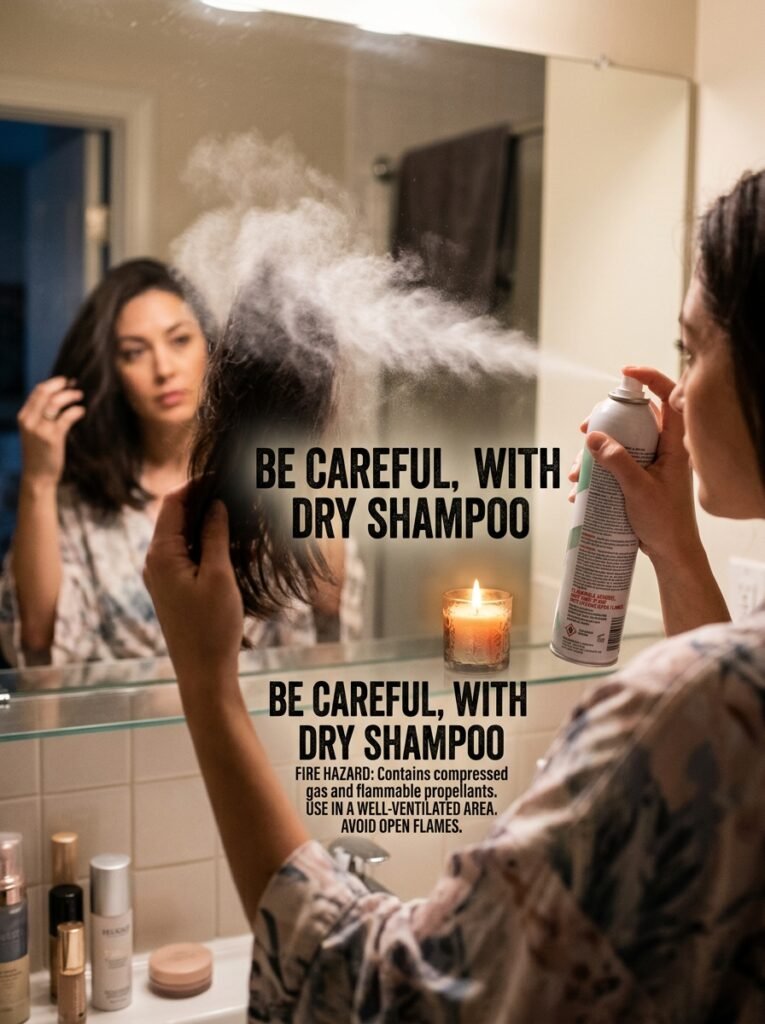
Apply dry shampoo according to its instructions. Avoid continuously layering it over several days. Wash your scalp when it feels dirty or uncomfortable. If a product causes itching or irritation, stop using it.
7. Keep Your Scalp Comfortable
Your scalp should feel comfortable after your hair routine.
Persistent itching, burning, or unusual irritation needs attention. Avoid products that consistently make your scalp uncomfortable.
Fragrance can also bother some sensitive scalps.
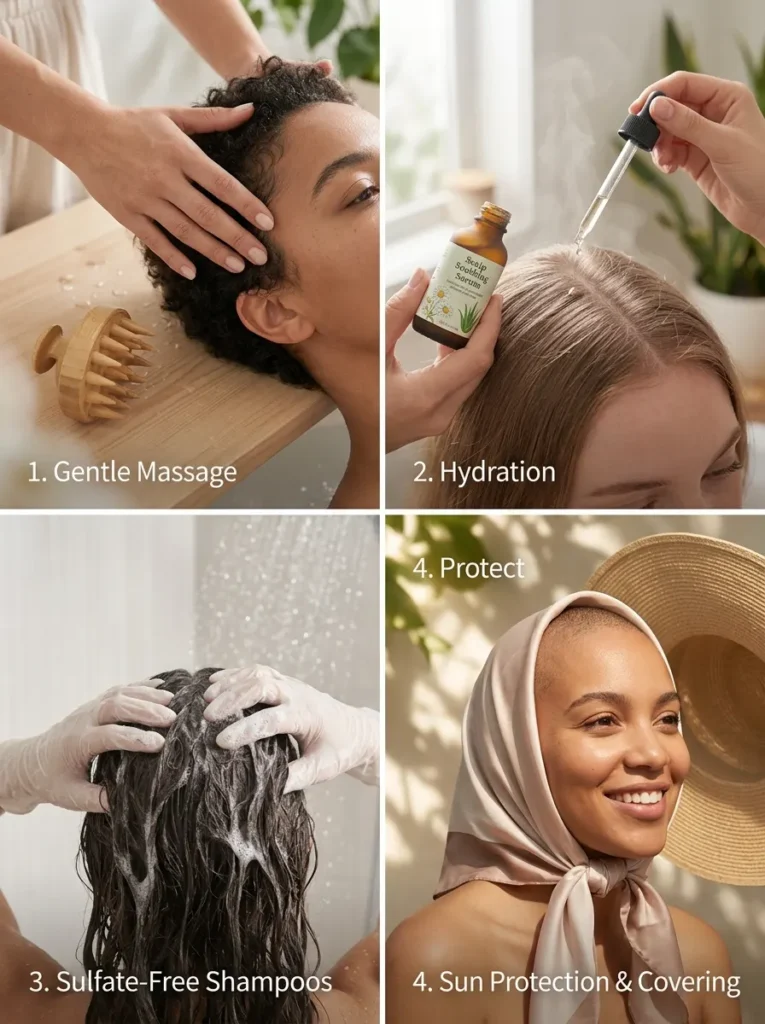
Introduce new products one at a time. This makes reactions easier to identify. Never ignore persistent or worsening scalp symptoms. A dermatologist can help identify possible scalp conditions.
8. Keep Your Hair Tools Clean
Your scalp care routine includes more than shampoo. Clean hair tools also deserve regular attention. Brushes and combs can collect oil and styling residue. Hair products can remain trapped between the bristles.
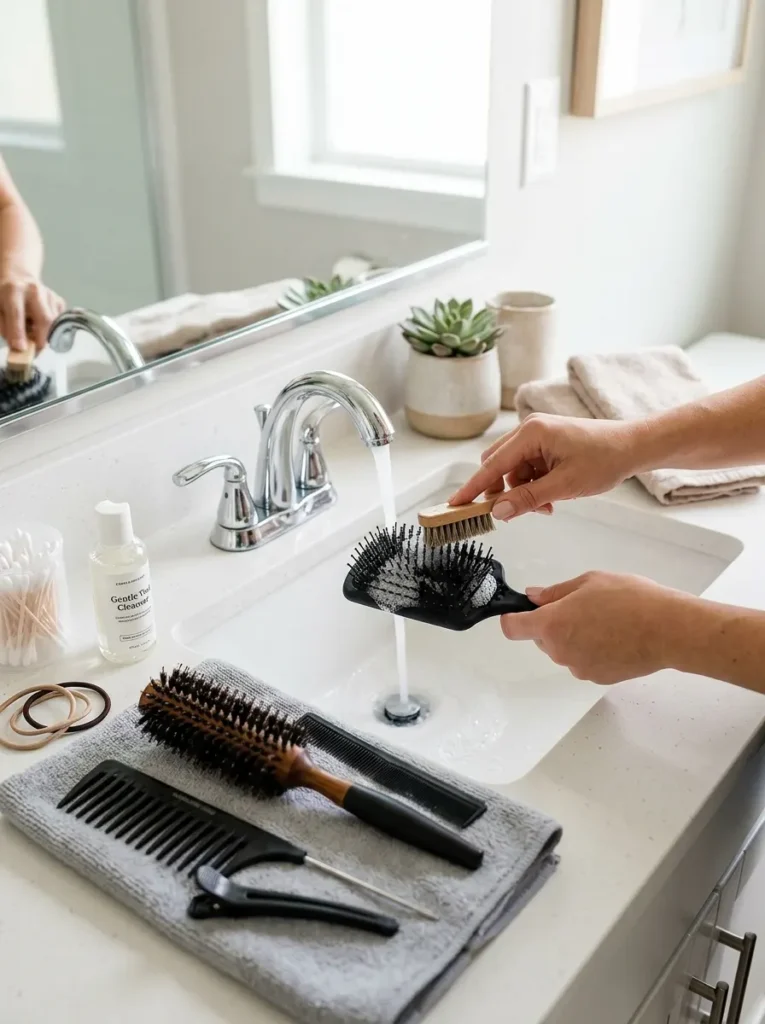
Remove loose hair from your brush regularly. Clean washable tools according to their care instructions. Avoid sharing brushes, combs, or scalp tools. Clean tools help support better overall hair hygiene.
9. Protect Your Scalp From Excessive Heat
Heat styling mainly affects the hair shaft. However, excessive heat near the scalp can feel uncomfortable. Keep hot tools away from direct scalp contact.
Follow the recommended temperature and usage instructions.

Avoid holding a hot tool in one spot. Move carefully when styling close to your roots. If your scalp feels hot or irritated, stop. Give your hair and scalp regular breaks from intense styling.
10. Build a Simple Weekly Scalp Routine
Consistency matters more than having a complicated routine.
Create simple habits that match your scalp needs. For example, your routine might include regular shampooing. You can also clean your brushes each week.
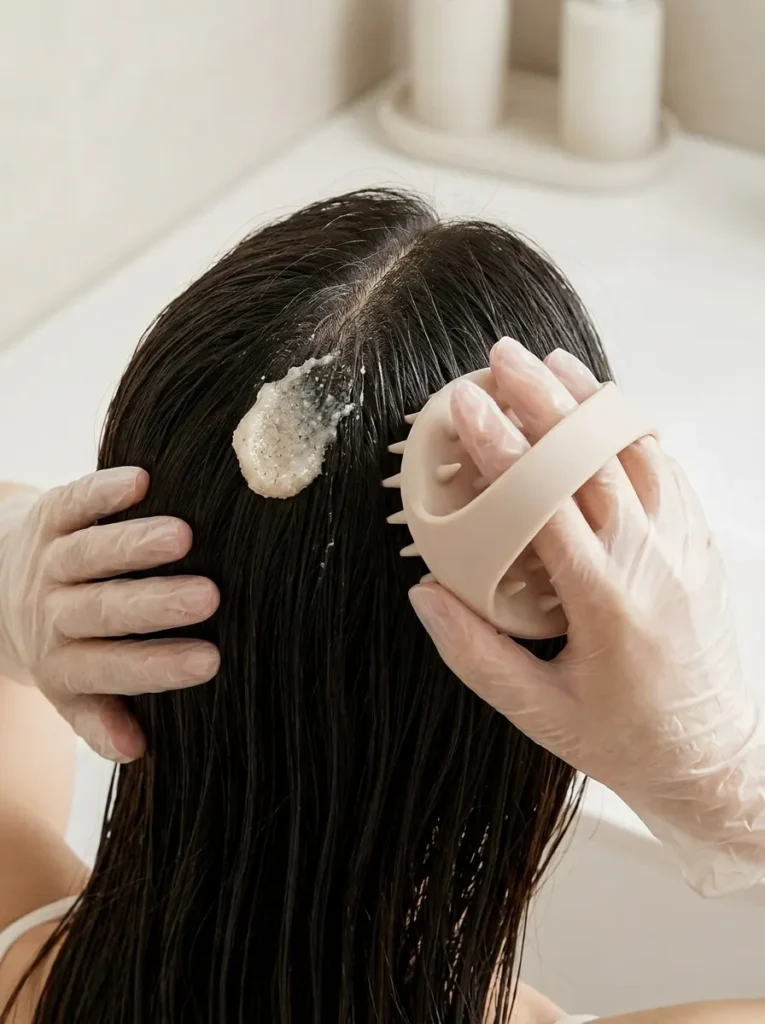
Check your scalp for changes during wash days. Notice whether it feels oily, dry, or comfortable. Adjust your routine when your needs change. Weather can affect how your scalp feels. Sweating, workouts, and styling habits can also change your needs. A flexible routine is easier to maintain long term.
Common Scalp Care Mistakes to Avoid
Some habits can make scalp care harder.
Washing With Very Hot Water
Very hot water may leave your scalp feeling dry.
Use comfortably warm water instead.
Using Too Much Product
More product does not always mean better results.
Excess product can contribute to buildup.
Scratching the Scalp
Scratching can irritate the skin.
Use gentle fingertip movements instead.
Ignoring Product Reactions
Stop using products that cause repeated discomfort.
Persistent symptoms deserve professional attention.
Following Someone Else’s Routine
Your scalp may need different care than someone else’s.
Consider your own oiliness, dryness, texture, and lifestyle.
A Simple Scalp Care Routine
You can keep your routine very simple.
Wash Day
Start by thoroughly wetting your scalp and hair.
Apply shampoo mainly to your scalp.
Massage gently with your fingertips.
Rinse completely before applying conditioner.
Keep conditioner mainly on your lengths and ends.
Follow the product instructions for the best results.
Between Washes
Avoid constantly touching your roots.
Use dry shampoo only when appropriate.
Keep brushes and styling tools clean.
Pay attention to how your scalp feels.
Weekly Check
Take a moment to assess your scalp.
Look for changes in oiliness, dryness, or comfort.
You may need to adjust your routine accordingly.
Scalp Care Tips for Different Hair Types
Different hair types can need different approaches.
Straight Hair
Straight hair can show oil quickly.
Regular cleansing may help keep roots feeling fresh.
Wavy Hair
Wavy hair often needs balance between cleansing and moisture.
Avoid heavy products near the roots when possible.
Curly Hair
Curly hair may need less frequent shampooing.
Focus on gentle cleansing and moisture retention.
Coily Hair
Coily hair can benefit from gentle handling.
Avoid excessive manipulation during cleansing.
Fine Hair
Fine hair can become weighed down easily.
Choose lightweight products when possible.
Thick Hair
Thick hair may require extra rinsing.
Make sure shampoo reaches the scalp thoroughly.
Frequently Asked Questions
How often should I wash my scalp?
There is no single schedule for everyone.
Your scalp type, activity level, and hair texture matter.
Wash when your scalp becomes oily, dirty, or uncomfortable.
Is scalp massage good for hair care?
Gentle scalp massage can make washing more relaxing.
It can also help distribute shampoo across your scalp.
Avoid aggressive pressure or scratching.
Can dry shampoo replace washing?
No. Dry shampoo can temporarily refresh oily-looking roots.
It does not replace regular scalp cleansing.
How can I reduce scalp buildup?
Use a suitable cleansing routine and avoid excessive product use.
Wash your scalp thoroughly and rinse products well.
What should I do about persistent scalp itching?
Stop products that seem to cause irritation.
If itching continues, speak with a dermatologist.
Do I need a complicated scalp care routine?
No. Simple routines are often easier to maintain.
Focus on cleansing, gentle handling, and suitable products.
Conclusion
A good scalp care routine does not need many steps. Small, consistent habits can make hair care easier. Cleanse your scalp according to its needs.
Choose products that feel comfortable and suitable. Avoid harsh scrubbing and excessive product buildup. Keep your brushes clean and handle your scalp gently. Most importantly, pay attention to changes.
Your scalp can tell you when your routine needs adjustment.
Start with these 10 scalp care routine tips.
Then build a routine that works for your everyday life.